

Pacific countries are facing growing pressure on water supplies as El Niño worsens drought in parts of the region. Water specialists say communities will need practical local solutions, stronger water systems and continued regional cooperation.
The impacts vary between countries and even between islands within the same country. In the Cook Islands, southern islands are more vulnerable to water shortages, while the northern group has been receiving increased rainfall, said Dave Hebblethwaite, the Pacific Community’s water security and governance coordinator.
Some communities in Melanesia face water scarcity even in normal conditions. The current dry spell is putting those communities “to the test,” Hebblethwaite said.
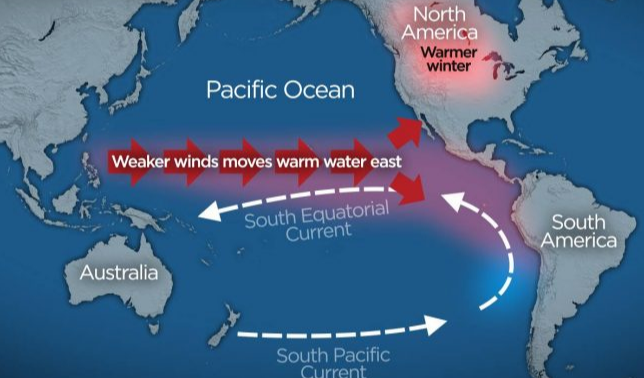
The World Meteorological Organization has described the current El Niño as one of the strongest on record. Dr Lokesh Padhye, associate director of the New York State Centre for Clean Water Technology, said freshwater supplies could become more limited if the event strengthens as forecast.
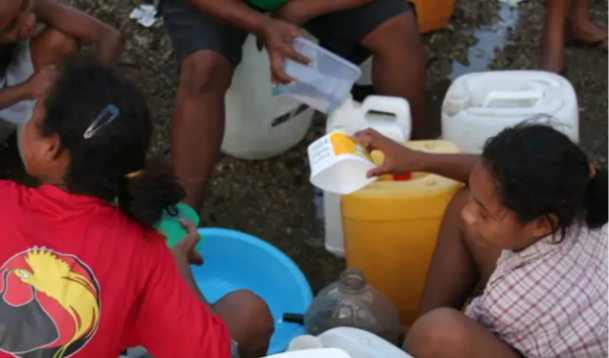
He said local knowledge of water quality and treatment is essential. Rainwater harvesting remains a relatively low-cost way to collect water, but supplies should be treated before drinking. Sedimentation, filtration and disinfection can help reduce the risk of microbial contamination.
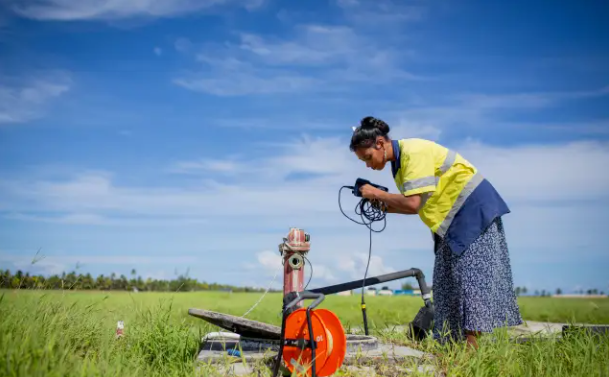
Groundwater is also becoming more important as drought limits rainwater collection. On some low-lying islands, freshwater sits in shallow underground layers above seawater. Hebblethwaite said communities are using shallow galleries to collect “a greater volume of groundwater.”
Governments are transporting water to some affected areas. Tonga has moved supplies from Tongatapu to islands in Ha’apai, while authorities in parts of Fiji have worked to deliver water to maritime communities.
The Pacific Community is supporting water-resilience projects in Tuvalu, the Marshall Islands, Gizo in Solomon Islands and Ambae in Vanuatu. The work includes helping communities understand the increased risk of waterborne illness during drought and follow safe practices such as boiling or filtering drinking water.
Padhye said Pacific countries need stronger local capacity to manage water systems, particularly as extreme weather places infrastructure under strain. “Self-reliance would be the key,” he said.
Hebblethwaite said information-sharing and cooperation between Pacific countries were helping communities prepare for difficult conditions. Lessons from this El Niño could guide future planning for drought response and water management as climate pressures increase.